
The power of your emotions
2 October 2024
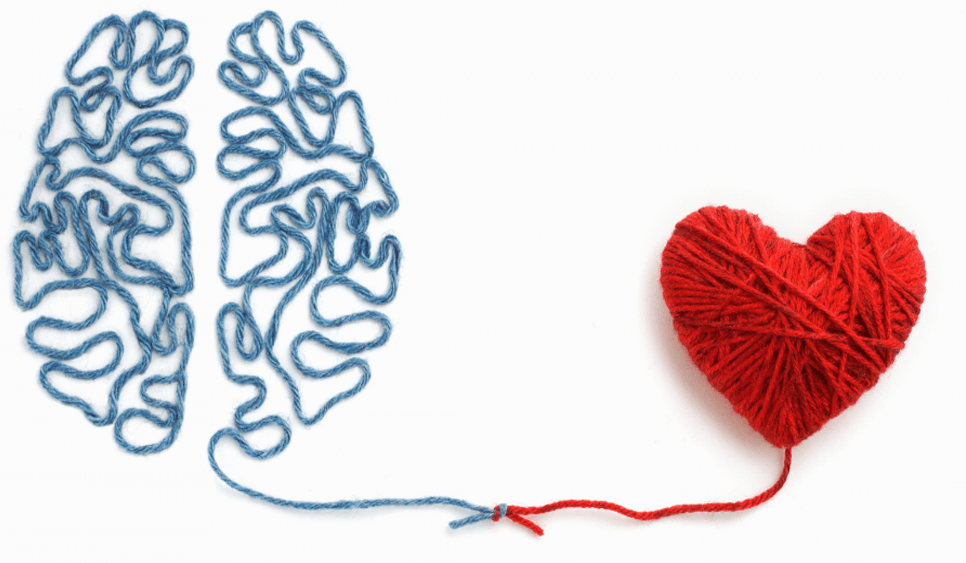
Four basic emotions
Emotions—they’re part of the package deal when it comes to being human. Everyone has them, but here’s the tricky part: identifying and naming them. There are all kinds of theories about how to label and categorize them. Some people use feeling wheels that list dozens of emotions. Others might break them down into simple categories. It can get overwhelming fast, like trying to choose one dish at an all-you-can-eat buffet.
But let’s simplify things. For this article, we’re focusing on the four basics: Happiness, Sadness, Anger, and Fear. These emotions are like the primary colors of your emotional palette.
Recognizing your Emotions
Let’s face it—recognizing emotions is not something everyone nails right off the bat. Sometimes we confuse them, or worse, we think they’re “bad” or a sign of weakness. How often have you heard someone say, “Emotions are for the weak”? Yeah, that’s old news.
But basically, Emotions are just energy moving around in your body. They’re not enemies; they’re messages. When you feel an emotion, it shows up as a physical sensation somewhere in your body. There’s no good or bad—there’s just feeling. So, instead of analyzing it in your head, try asking yourself, “What am I feeling in my body right now?”
To help you figure it out, here’s a quick body-feeling-emotion map:
- Anger: Tight jaw, stiff neck, or tension across your shoulders.
- Fear: That gnawing feeling in your belly.
- Sadness: Heaviness in your eyes, chest, or upper throat.
- Joy: A lightness in your core or along your spine.
What your emotions are trying to tell you
Okay, so now that you know where your emotions live in your body, let’s dive into the real question: What are they trying to tell you? Think of emotions like push notifications—they’re trying to alert you to something important.
- Anger:
- The Message: Something’s gotta change, stat. Maybe it’s time to end something, set a boundary, or stop tolerating what no longer serves you. Anger’s like a forest fire—it clears the way for something better.
- If Ignored: Without anger, it’s hard to say “no” when people cross your boundaries, and that’s a recipe for burnout.
- If Left Unchecked: blaming, self-righteousness, and endless criticism. Not fun.
- Fear:
- The Message: Pay attention! Fear is your body’s way of saying, “Wake up, something important is happening!” It’s your built-in alert system, making sure you’re focused when it counts (like driving for the first time).
- If Ignored: You could find yourself living in a bubble of denial, missing important cues or even putting yourself at risk.
- If Left Unchecked: Ever heard of chronic anxiety? Fear, when untethered, likes to roam around in the future, worrying about things that may never happen.
- Sadness:
- The Message: It’s time to let go. Whether it’s a person, a dream, or a long-held belief, sadness shows up when something meaningful is slipping away.
- If Ignored: People who dodge sadness hang on to the past way too long, clinging to old ideas or relationships that have already run their course.
- If Left Unchecked: You could fall into a victim mindset, thinking, “Poor me. Why does this always happen to me?”
- Joy:
- The Message: Celebrate! Joy’s the confetti of emotions. It’s there to remind you to appreciate, laugh, or give yourself (or someone else) a high-five.
- If Ignored: Without joy, life feels flat. You miss out on celebrating both the big and small moments.
- If Left Unchecked: It can turn into circumstantial happiness—you’re only happy when things are going your way. That’s a slippery slope because life doesn’t always play along.
From insight to action
So, you’ve recognized your emotion, — now what? Time for action. Here’s your playbook:
- Locate the sensation in your body and identify the emotion
- Where is it? Shoulders? Belly? Chest?
- Breathe.
- Slow it down, in through the nose, out through the mouth.
- Allow it.
- Accept it without judgment. It’s just a feeling, remember?
- Release it.
- Sometimes changing your posture or making a sound helps to release the emotion. Move your body, let it go.
Remember, emotions, when fully felt-and-released, only last about 90 seconds. That’s right—90 seconds! After that, take a moment to reflect on what just happened. What was the emotion telling you? Write it down. Then, decide on your next best step.
Still feeling stuck? Need a little help figuring it out? I’m here. Reach out, and let’s work through it together.
RECENT POSTS
